
Short answer: choose a custom bag manufacturer that specializes in your bag type, shows real production capacity, makes a pre-production sample with your logo, explains its quality control in writing and answers clearly within a day. Compare at least three suppliers on the same specification before you decide.
Key takeaways
- Shortlist suppliers that already make bags like yours, in the same materials and structure.
- Ask for real capacity numbers and production photos, not only showroom pictures.
- Approve a pre-production sample with your logo before paying for bulk production.
- Get the quality control steps and the full specification in writing.
- Compare at least three quotes on the same spec sheet so prices are comparable.
China makes most of the world’s bags, so you have plenty of choice. That is also the problem: hundreds of suppliers look the same online. This checklist is what experienced buyers use to separate a reliable bag factory from a risky one.
1. Match the supplier to your bag type
Bag making covers very different skills. A factory that sews cotton tote bags all day is not automatically good at insulated cooler bags, structured cosmetic cases or clear PVC stadium bags. Ask each supplier for photos of bags they have already produced that are close to yours in material, structure and size.
- Soft goods such as totes, shopping bags and drawstring bags need fast, consistent sewing and printing.
- Insulated bags need correct foam thickness, sealed or welded lining and leak testing.
- Cosmetic and toiletry bags need neat edge binding, good zippers and often PU or PVC welding.
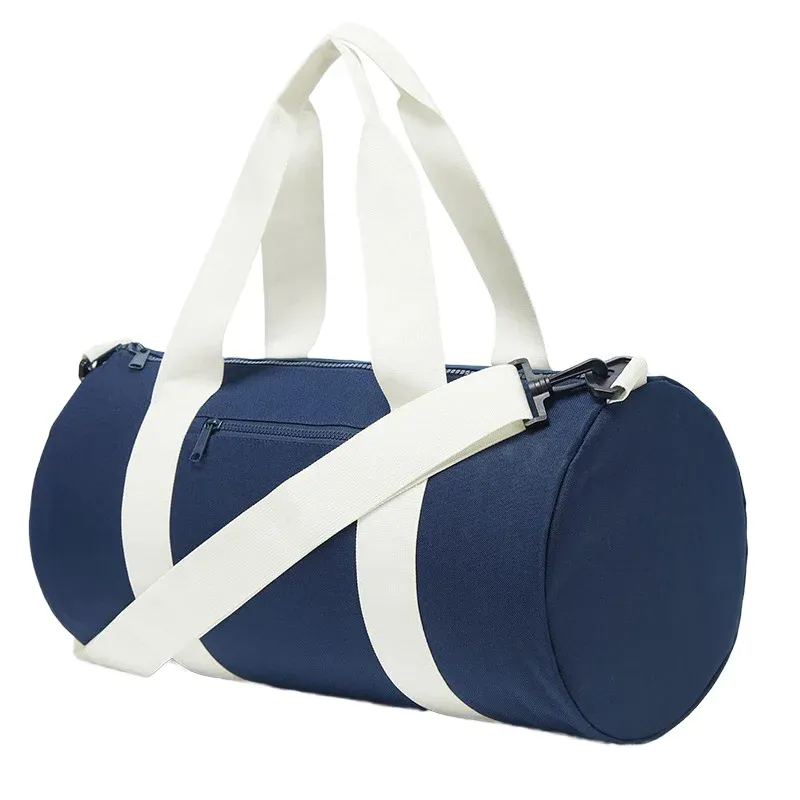
- Backpacks and duffle bags need strong webbing, reinforced stress points and padding.
2. Check real capacity, not just a showroom
Ask how many pieces per month the supplier can produce for your category and how many sewing lines they run. A clear answer, such as an annual capacity per product type, is a good sign. Vague answers like “no problem, any quantity” are not.
For reference, Homein’s Ningbo production plans around 500,000 tote bags, 50,000 duffle bags and 50,000 cooler bags a year, with average bulk lead time of about 30 days after sample approval.
3. Ask for a pre-production sample
Never place a bulk order from photos alone. A proper pre-production sample should use your chosen fabric, colors, hardware and logo method. Check it against your specification:
- Size within agreed tolerance (often ±0.5-1 cm)
- Stitch density and straight seams, with no loose threads
- Zipper runs smoothly, puller is secure
- Logo position, color and sharpness
- Handles and straps reinforced with bar-tacks or box stitches
Keep the approved sample. It becomes the “golden sample” that bulk production is compared to.
4. Understand the MOQ and what drives it
Minimum order quantity depends on fabric minimums, custom colors and printing setup. Ask the supplier which of your choices raise the MOQ. Often you can lower it by using a stock fabric color or a stock design with your logo. Read our guide to bag MOQ for details.
5. Get quality control in writing
A good bag manufacturer will describe its checks at each stage:
- Incoming material inspection (fabric, lining, zippers, hardware)
- Pre-production sample approval
- In-line inspection during sewing and printing
- Final inspection before packing, with photos or video
Also ask whether they accept third-party inspection. Reliable factories do.
6. Compare quotes on the same specification
Price differences usually come from different materials, not magic efficiency. Send every supplier the same spec sheet: dimensions, fabric (for example 600D polyester or 12 oz cotton canvas), lining, hardware, logo method, packaging and quantity. Then compare like with like.
| Item | What to specify |
|---|---|
| Size | Width x height x depth, and handle drop |
| Fabric | Type, weight or denier, coating, color |
| Lining | Material, color, insulation if any |
| Hardware | Zipper size and brand level, buckles, D-rings |
| Logo | Method, size, number of colors, position |
| Packaging | Polybag, hang tag, barcode, carton marks |
7. Test communication before you commit
How a supplier answers your first questions is how they will handle problems later. Look for replies within 24 hours, direct answers to technical questions and honest notes about what is difficult.
Red flags to avoid
- Prices far below everyone else on the same spec
- Refusal to make a sample or to show production photos
- Pressure to pay 100% up front for a first order
- No written specification or purchase contract
- Claims of certifications they cannot show documents for
Questions to ask in your first message
Your first inquiry sets the tone. Instead of asking only “what is your best price?”, ask questions that reveal how the supplier works:
- Which bags similar to mine have you produced recently? Can you share photos?
- What fabric and hardware would you recommend for my target price, and why?
- What is the MOQ, and which of my choices affect it?
- How long does sampling take, and what does the sample cost?
- What is your quality control process before shipment?
- Which shipping terms do you offer (FOB, CIF, DDP)?
Suppliers who answer these clearly, with photos and specific numbers, are usually the ones who deliver on time. Keep all answers in writing and add the agreed details to your purchase order, including the approved sample, packaging and delivery date.
Bottom line
The right bag manufacturer is the one that proves its ability before you pay for bulk: relevant experience, clear numbers, a sample you approve and quality checks in writing. Take the time to compare properly on the first order, and you will save money and stress on every order after it.
FAQ
Should I work with a factory or a trading company?
A factory gives you direct control of production and usually better pricing on repeat orders. What matters most is that the supplier controls quality and is transparent about where and how your bags are made.
How many suppliers should I compare?
Three to five is enough. Shortlist on capability and communication, then compare samples.
How long does the whole process take?
Plan for sampling first, then about 30 days of bulk production, plus shipping time. Sea freight to North America or Europe usually adds several weeks.
Ready to compare? Send your specification to Homein and get a quote and sample plan within 24 hours, or explore our OEM & ODM service.
Need a custom bag supplier?
Homein has manufactured custom bags in Ningbo, China since 2011. Send your design and get price, MOQ and a sample plan within 24 hours.