
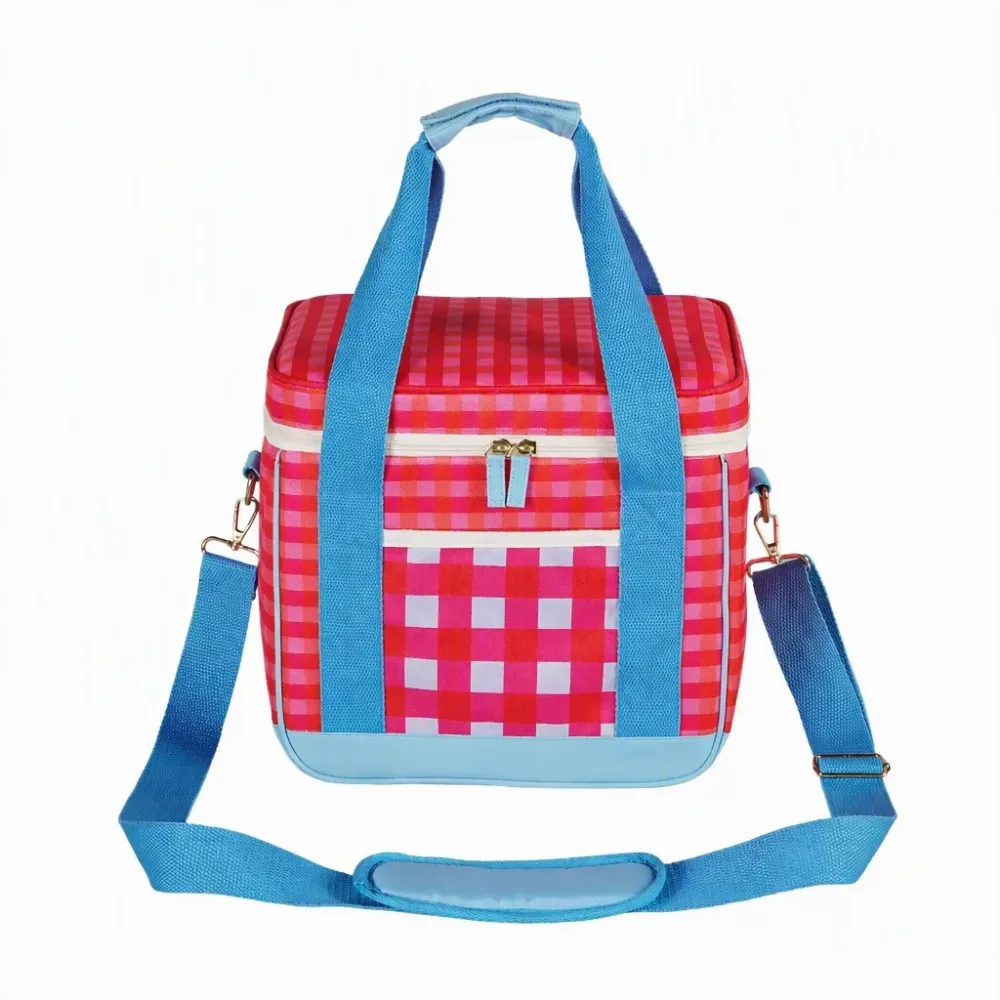
Short answer: a good custom cooler bag combines a durable outer fabric (usually 300D-600D polyester or Oxford), a foam insulation layer of about 5-10 mm, and a food-safe, wipe-clean lining such as PEVA or aluminum foil. For leak resistance, choose a heat-sealed or welded liner. Size the bag in liters or by how many cans it holds, then add your logo by printing or a label.
Key takeaways
- A cooler bag has three layers: outer fabric, foam insulation and a food-safe lining.
- PEVA is PVC-free and easy to clean; aluminum foil reflects heat at low cost; welded TPU liners are leak-proof.
- Size by liters or can count, from 4-8 L lunch bags to 45 L+ camping coolers.
- Test samples for cold retention, leaks, strength and odor before bulk orders.
Insulated bags are one of the fastest-growing bag categories, used for lunch, grocery delivery, picnics, beach days, camping and even medicine transport. Here is how to specify one that performs and sells.
The three layers of a cooler bag
1. Outer fabric
The outer shell protects the bag and carries your branding. Common choices are:
- 600D polyester or Oxford: tough, water-resistant, prints well. The standard for cooler totes and camping coolers.
- Nylon: lighter and softer, popular for quilted and fashion lunch bags.
- Cotton canvas or organic cotton: natural look for eco-focused brands.
- Neoprene: stretchy and self-insulating, great for lunch bags and bottle sleeves.
- Clear PVC: for stadium-friendly or see-through lunch bags.
2. Insulation
Most soft coolers use EPE or PE foam. Thicker foam keeps contents cold longer but adds bulk. As a guide, about 5 mm suits everyday lunch bags, while 8-10 mm or more suits large picnic and camping coolers. Some premium bags add a second foam layer in the lid, which is where most heat gets in.
3. Lining
| Lining | Pros | Best for |
|---|---|---|
| PEVA | Food-safe, PVC-free, flexible, easy to wipe | Lunch bags, kids bags, reusable grocery coolers |
| Aluminum foil (laminated) | Reflects heat, low cost, classic cooler look | Grocery cooler totes, promotional coolers |
| TPU or welded liner | Leak-proof, durable | Premium coolers, ice-filled camping bags |
Leak-proof vs leak-resistant
Sewn linings with taped seams are leak-resistant: fine for lunch boxes and cans. If customers will fill the bag with ice, choose a heat-sealed or welded liner so melted water cannot escape through stitch holes. State clearly on your packaging which type you are selling.
Choosing sizes
| Capacity | Typical use |
|---|---|
| 4-8 L | Personal lunch bag, bento box, kids school lunch |
| 10-20 L | Lunch for two, office, short picnics, 12-24 cans |
| 25-45 L | Grocery cooler tote, family picnic, beach day |
| 45 L+ | Camping, fishing, catering and delivery |
Features buyers ask for
- Wide-opening zipper top or roll-top closure
- Front zip pocket for cutlery, napkins or phone
- Adjustable, padded shoulder strap
- Bottle holder or side mesh pocket
- Foldable design for flat shipping and storage
- Combination lock for shared fridges (popular in offices)
Branding options
Screen printing is the most cost-effective for one to three color logos on polyester. Heat transfer or sublimation works for full-color designs and gingham or floral patterns. Woven labels and rubber patches give a premium retail finish.
How to test samples
- Cold retention: load the bag with ice packs and cans, close it and check the temperature after a set number of hours. Compare with a competitor bag in the same room.
- Leak test: fill the liner with water and leave it on paper towels for a few hours.
- Stress test: load to capacity and lift by the handles and strap repeatedly.
- Smell check: a good lining should have no strong chemical odor.
Compliance tips
If the lining touches food, ask your supplier about food-contact testing suitable for your market (for example FDA or LFGB). For kids lunch bags, also check local rules on children’s products. Plan testing time into your schedule.
Popular cooler bag styles by market
Retail and e-commerce
Stylish lunch totes in quilted nylon, gingham or floral prints sell well to office workers and parents. Kids lunch bags with cartoon prints, name tags and easy-clean linings are strong back-to-school products. Foldable grocery cooler totes are popular with supermarkets and delivery services.
Promotional and corporate
Companies use printed lunch coolers and can coolers as event giveaways and employee gifts. Simple shapes, a large print area and a moderate price point matter most. Two-person picnic coolers with a shoulder strap are a favorite for summer campaigns.
Outdoor and camping
Larger soft coolers with thick insulation, welded liners, sturdy webbing and bottle openers or D-rings attract campers, anglers and beachgoers. Here durability and cold retention matter more than fashion.
Packing and shipping cooler bags
Foldable cooler bags pack flat, which lowers freight cost per piece. Structured coolers ship bulkier, so ask your supplier to calculate pieces per carton and per container before you finalize the design. Small changes, such as a removable base board, can make a bag fold flatter and save significant shipping cost on large orders.
For retail, consider a printed header card or hang tag that shows capacity in liters or cans, the lining type and care instructions. Clear information reduces returns and helps online listings rank for the terms shoppers search.
Bottom line
Great cooler bags come from getting the basics right: the right outer fabric for the market, enough insulation for the job, a lining that is safe and easy to clean, and construction that matches what you promise on the label. Specify these clearly, test the sample properly and your customers will notice the difference every time they open the bag.
FAQ
How long does a soft cooler bag keep food cold?
It depends on foam thickness, lining, ice amount and outside temperature. A typical lunch bag with an ice pack keeps food cool for a working day; thicker camping coolers last longer.
What is the MOQ for custom cooler bags?
At Homein, some stock lunch bags start from just a few pieces, while custom printed cooler bags typically start around 300-500 pieces per design.
Can you make eco-friendly cooler bags?
Yes, for example recycled polyester outers or organic cotton with bamboo fiber filling.
See our cooler bag range, or request a quote with your size and logo.
Need a custom bag supplier?
Homein has manufactured custom bags in Ningbo, China since 2011. Send your design and get price, MOQ and a sample plan within 24 hours.