
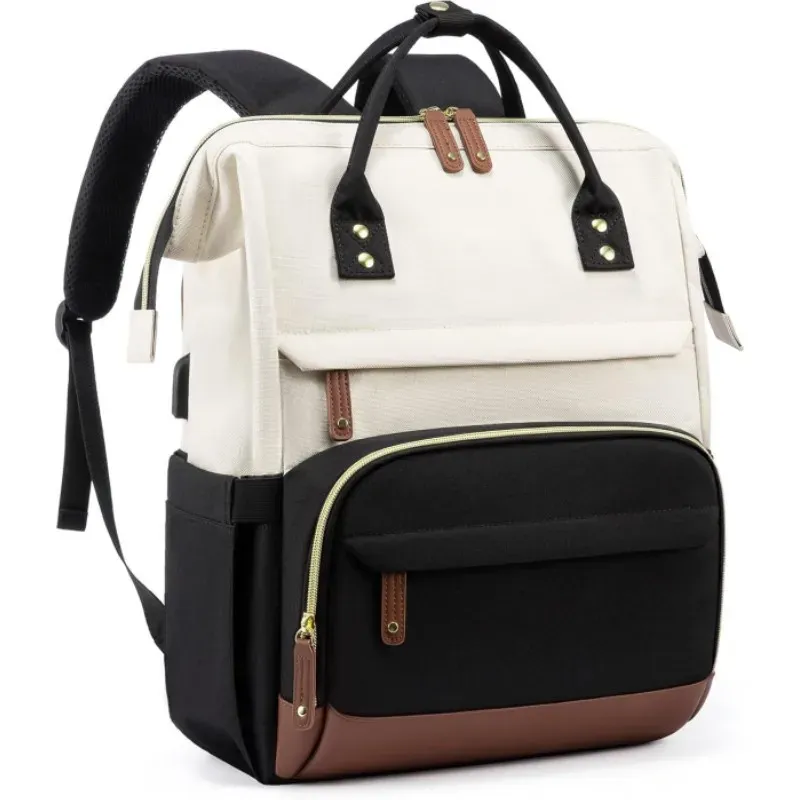
Short answer: polyester and Oxford are the best all-round, cost-effective fabrics for custom bags; nylon is lighter and stronger for premium travel and sports bags; cotton canvas and jute suit eco-friendly totes; PU leather gives a premium look for cosmetic and fashion bags; PVC and EVA are used for clear and waterproof bags.
Key takeaways
- Polyester and Oxford are the best value all-round bag fabrics.
- Nylon is lighter and stronger for premium travel, gym and puffer bags.
- Cotton canvas, jute and recycled polyester suit eco-friendly ranges.
- PU leather looks premium; PVC, EVA and TPU are used for clear and waterproof bags.
- Zippers, straps and stitching matter as much as the outer fabric.
What “D” means in bag fabrics
D stands for denier, the thickness of the yarn. 210D is light and used for linings and drawstring bags, 300D-600D is common for backpacks, coolers and duffle bags, and 900D-1680D is very heavy duty. Higher denier usually means stronger and stiffer, but weave and coating matter too.
Fabric comparison
| Fabric | Strength | Water resistance | Look and feel | Typical uses |
|---|---|---|---|---|
| Polyester (300D-600D) | Good | Good with PU/PVC coating | Smooth, prints well | Cooler bags, backpacks, promo bags |
| Oxford (polyester or nylon weave) | Very good | Good with coating | Basket-weave texture | Duffle bags, car organizers, travel bags |
| Nylon | Excellent for its weight | Good | Light, soft sheen | Premium gym and travel bags, puffer bags |
| Cotton canvas | Good | Low unless waxed | Natural, matte | Tote bags, shopping bags, messenger bags |
| Jute / burlap | Good | Low | Rustic, natural | Eco shopping bags, wedding and gift totes |
| PU leather | Good | High | Premium, leather-like | Cosmetic bags, weekenders, fashion bags |
| PVC / EVA | Good | Waterproof | Clear or glossy | Stadium bags, beach bags, toiletry bags |
| Neoprene | Good | High | Soft, stretchy, cushioned | Lunch bags, sports backpacks, sleeves |
How to choose by bag type
Duffle and gym bags
600D polyester or Oxford is the value choice; nylon is lighter and feels more premium. Add a coated or TPU lining for wet compartments.
Cooler and lunch bags
Polyester or Oxford outer, foam insulation and a food-safe PEVA or aluminum foil lining. See our cooler bag guide.
Tote and shopping bags
Cotton canvas (often 10-16 oz) for retail and branding, jute for an eco look, and polyester or non-woven for low-cost promotions.
Cosmetic bags
PU leather for premium lines, nylon or polyester for everyday pouches, clear PVC for travel and airport-friendly toiletry bags.
Eco-friendly options
Recycled polyester (rPET, made from plastic bottles), organic cotton, jute and cotton canvas are the most requested sustainable materials. Ask for material documentation if you plan to make environmental claims on your packaging.
Lining, padding and trims
The outer fabric is only part of the story. Lining, padding and trims affect how the bag feels, how long it lasts and how much it costs.
- Lining: 150D-210D polyester is standard. Nylon lining feels smoother; printed lining adds a brand touch; PEVA or TPU lining suits wet or food compartments.
- Padding: EPE foam or sponge for laptop sleeves, camera compartments and structured cosmetic cases; quilted batting for puffer and quilted styles.
- Webbing: polypropylene webbing is economical; nylon or polyester webbing is stronger and softer for shoulder straps.
- Binding: bias tape or PU binding finishes inner seams neatly in cosmetic and toiletry bags.
Zippers and hardware
A bag is only as good as its zipper. Coil zippers (sizes #5 and #8 are common) are flexible and suit curved openings; plastic molded zippers are robust for outdoor bags; metal zippers look premium on canvas and leather styles. Check that pullers are attached securely and that the zipper size matches the bag’s load.
For buckles, D-rings and swivel hooks, ask whether they are plastic or metal (zinc alloy or iron) and what finish is used. Metal hardware should resist rust; plastic hardware should not crack when the bag is fully loaded.
Cost vs quality: where to spend
If budget is limited, invest in what customers touch and stress most: the zipper, the handles or straps and the stitching at stress points. A slightly lighter outer fabric with excellent hardware usually lasts longer than heavy fabric with a weak zipper.
| Budget level | Typical spec |
|---|---|
| Promotional | Non-woven, 210D-300D polyester or light cotton, simple print |
| Mid-range retail | 600D polyester or Oxford, coil zippers, woven label |
| Premium | Nylon, heavy canvas or PU, metal hardware, embroidery or metal logo |
Fabric care and claims
Include simple care instructions on a sewn label or hang tag, such as “spot clean” for coated fabrics or “hand wash cold” for cotton. If you advertise a bag as waterproof, recycled or organic, make sure the material and construction support the claim and keep the supplier’s documents on file.
Quick fabric checklist for your spec sheet
When you send an inquiry, describe the fabric as precisely as you can. A complete line looks like this: “600D polyester Oxford, PU coated, navy Pantone 19-4052, 210D polyester lining in black.” If you are not sure, describe how the bag will be used instead: “Gym bag, needs to be water-resistant, light and easy to wipe clean.” A good supplier will translate that into a recommended material and send swatches.
- Fabric type and weave (polyester, Oxford, nylon, canvas)
- Weight or denier (for example 600D or 12 oz)
- Coating (PU, PVC, TPU or none)
- Color reference (Pantone code or physical swatch)
- Lining material and color
- Any certification or recycled-content requirement
Bottom line
There is no single best bag fabric. Choose by how the bag will be used, the look your brand needs and your target price, then confirm the choice with a sample. A supplier who explains the trade-offs honestly will help you get there faster.
FAQ
Is Oxford better than polyester?
Oxford is a weave, usually made from polyester or nylon. Oxford polyester is generally more abrasion-resistant than plain-weave polyester of the same denier.
Which fabric is most waterproof?
PVC, EVA and TPU-coated fabrics are waterproof. Coated polyester and nylon are water-resistant; seams also need taping or welding for full waterproofing.
Can I get fabric samples?
Yes. We can send fabric swatches or make a sample bag in your chosen material before bulk production.
Need help choosing? Describe your bag and budget and our team will recommend materials, or see all customization options.
Need a custom bag supplier?
Homein has manufactured custom bags in Ningbo, China since 2011. Send your design and get price, MOQ and a sample plan within 24 hours.